Mold in your basement isn't just unsightly—it's a serious health hazard that can affect your entire home's air quality. Basement mold thrives in dark, damp environments and can spread quickly if not addressed. The good news is that mold is largely preventable with the right strategies.
Understanding Why Basements Get Mold
Basements are particularly vulnerable to mold growth due to their unique characteristics. Understanding these factors helps you prevent mold before it starts.
- Below-grade location makes them naturally cooler and damper
- Limited natural light and ventilation
- Proximity to ground moisture and water tables
- Common entry point for water through foundation
- Often used for storage, limiting air circulation
Control Humidity Levels
Mold needs moisture to grow, and controlling humidity is your first line of defense. Keeping humidity below 50% makes it nearly impossible for mold to thrive.
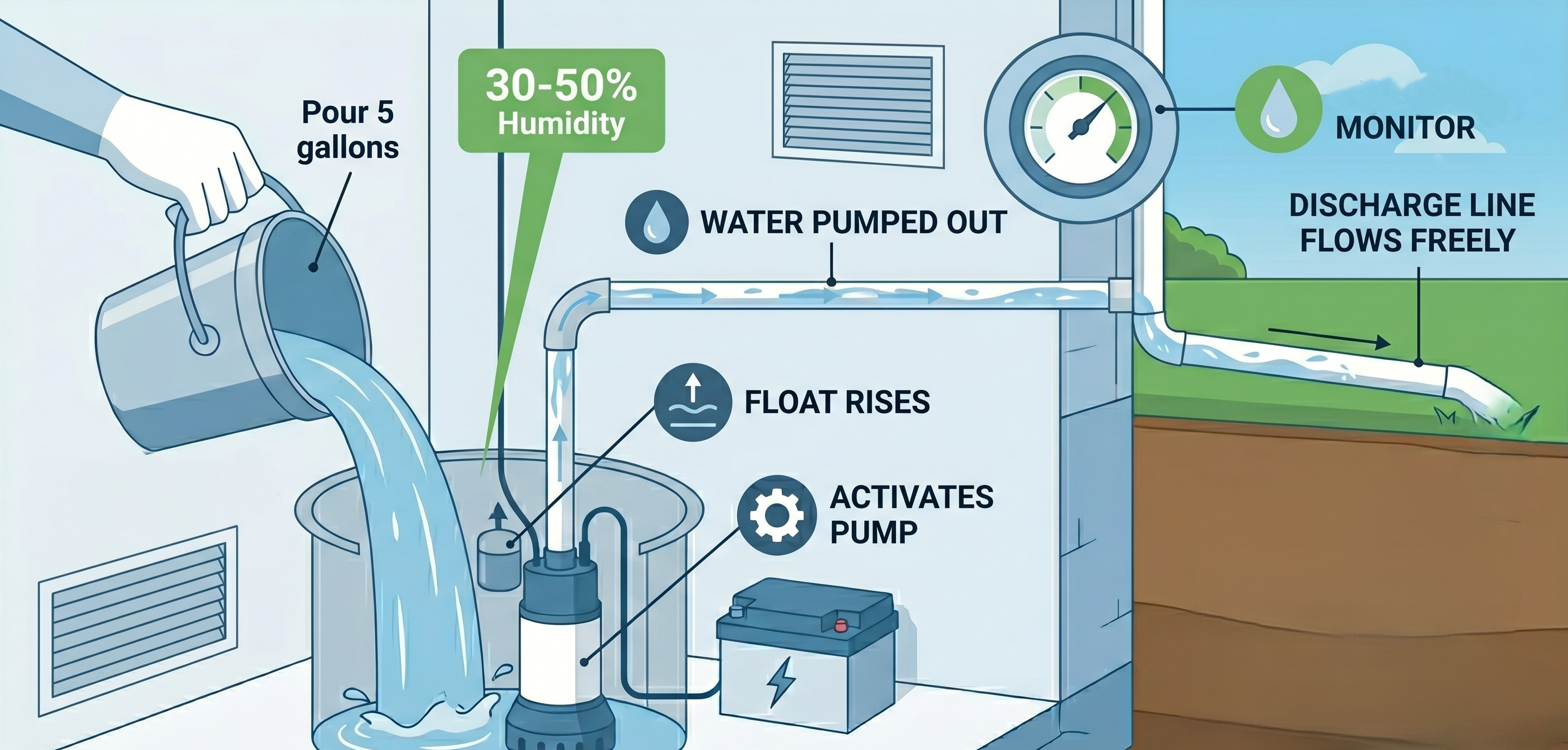
- Use a dehumidifier to maintain 30-50% humidity
- Empty dehumidifier regularly or use continuous drain
- Monitor humidity with a hygrometer
- Run dehumidifier year-round in humid climates
Improve Ventilation and Air Circulation
Stagnant air allows moisture to accumulate and creates perfect conditions for mold. Improving air circulation helps keep your basement dry and mold-free.
- Open windows when weather permits
- Use fans to circulate air, especially in corners
- Don't block air vents with furniture or storage
- Consider installing exhaust fans in problem areas
Address Water Issues Immediately
Any water intrusion, no matter how small, can lead to mold growth within 24-48 hours. Quick action is essential.
- Fix leaky pipes and plumbing immediately
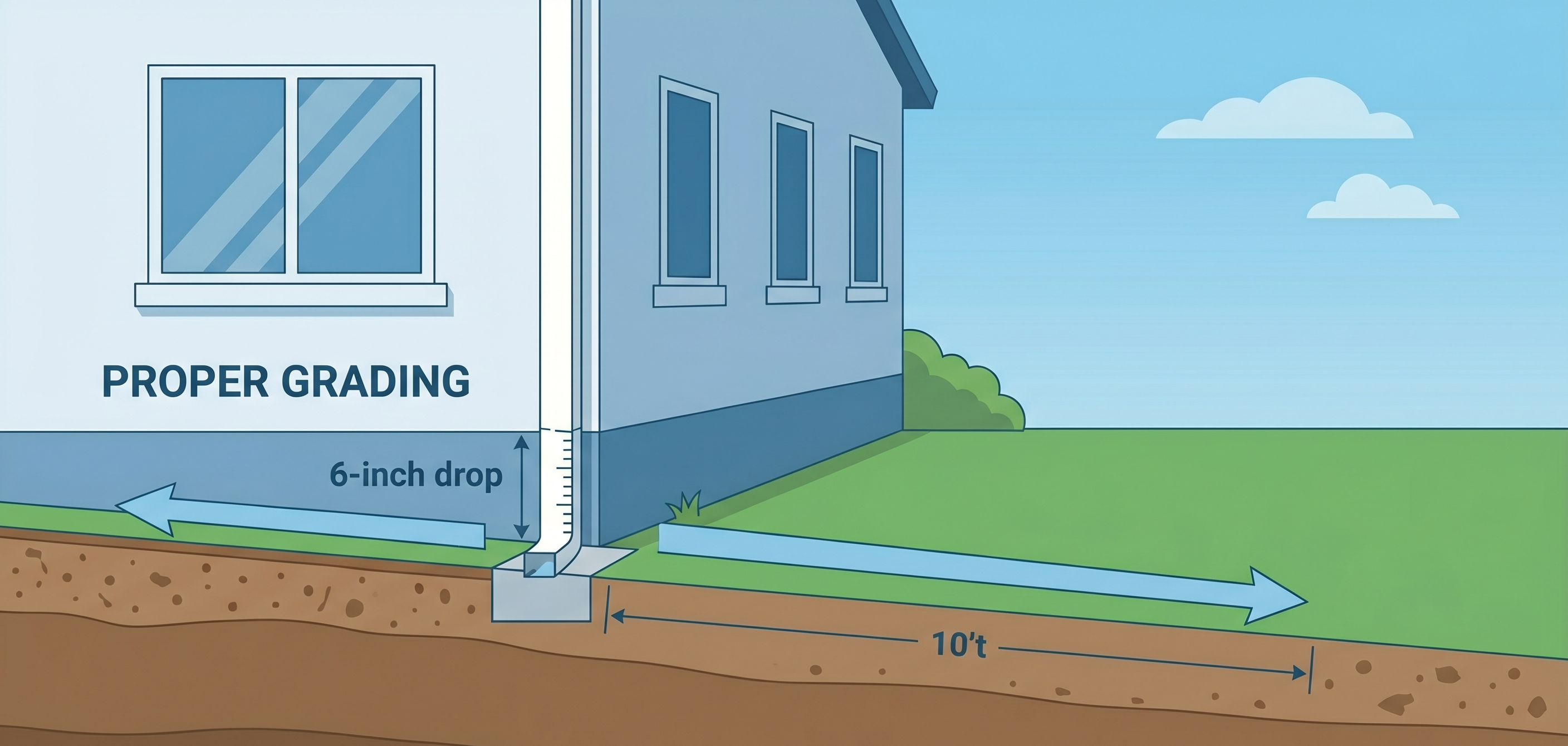
- Repair foundation cracks that allow water entry
- Address condensation on pipes with insulation
- Clean up any water spills or flooding right away
Use Mold-Resistant Materials
If you're finishing your basement or making repairs, choosing mold-resistant materials adds an extra layer of protection.
- Use mold-resistant drywall or cement board
- Choose mold-resistant paint with antimicrobial additives
- Install vinyl or tile flooring instead of carpet
- Use plastic or metal shelving instead of wood
When to Call Professionals
Some mold situations require professional intervention. Don't hesitate to call experts if you encounter these scenarios.
- Mold covers more than 10 square feet
- Mold returns after cleaning
- You have persistent moisture or water issues
- Mold is in HVAC system or behind walls
- Anyone in home has respiratory issues or allergies
Preventing mold in your basement requires a multi-faceted approach focusing on moisture control, ventilation, and regular maintenance. If you're dealing with persistent moisture issues or need professional waterproofing to prevent mold, contact Presto Waterproofing. Our comprehensive solutions address the root causes of basement moisture, giving you long-term protection against mold growth.